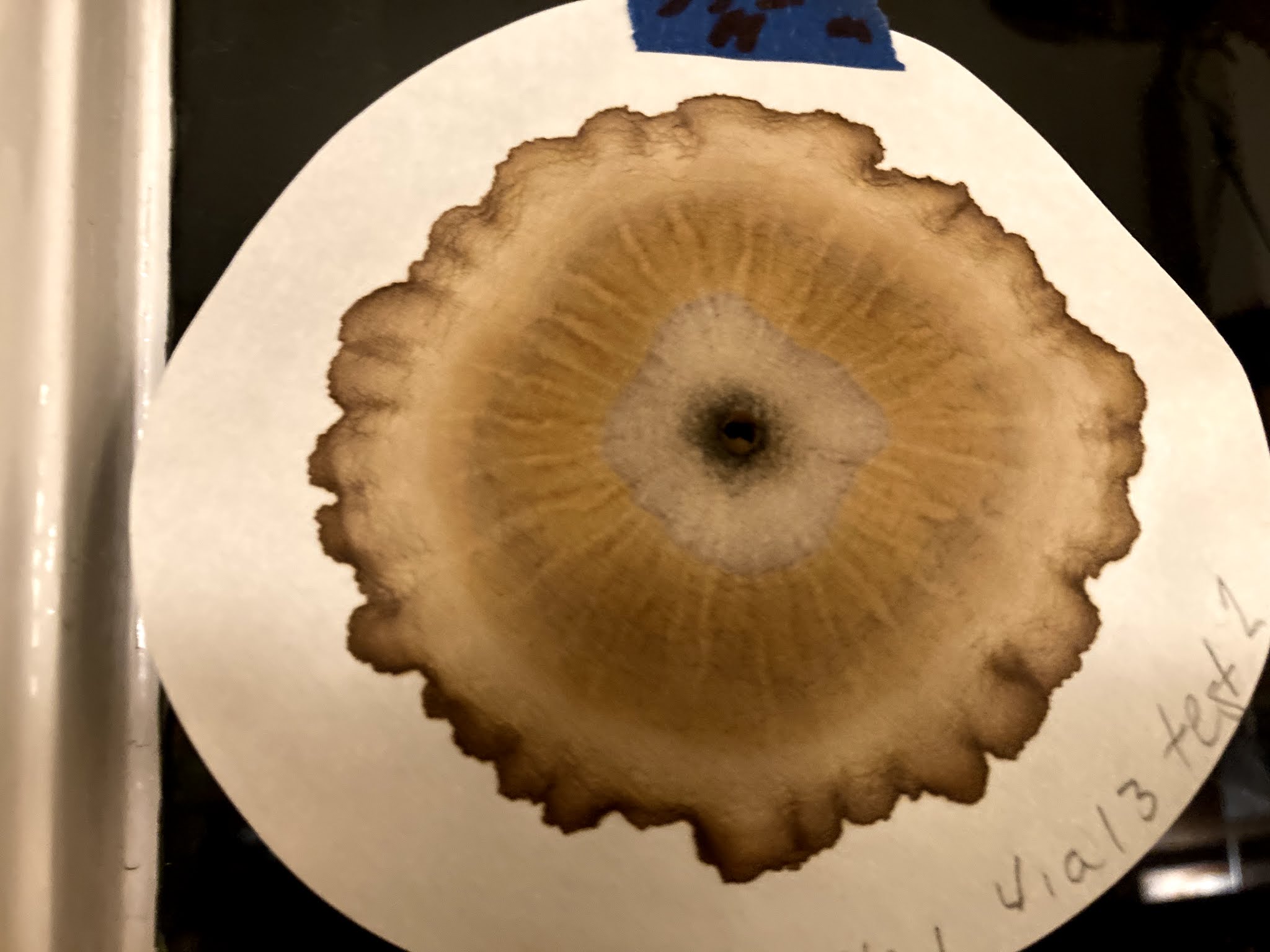
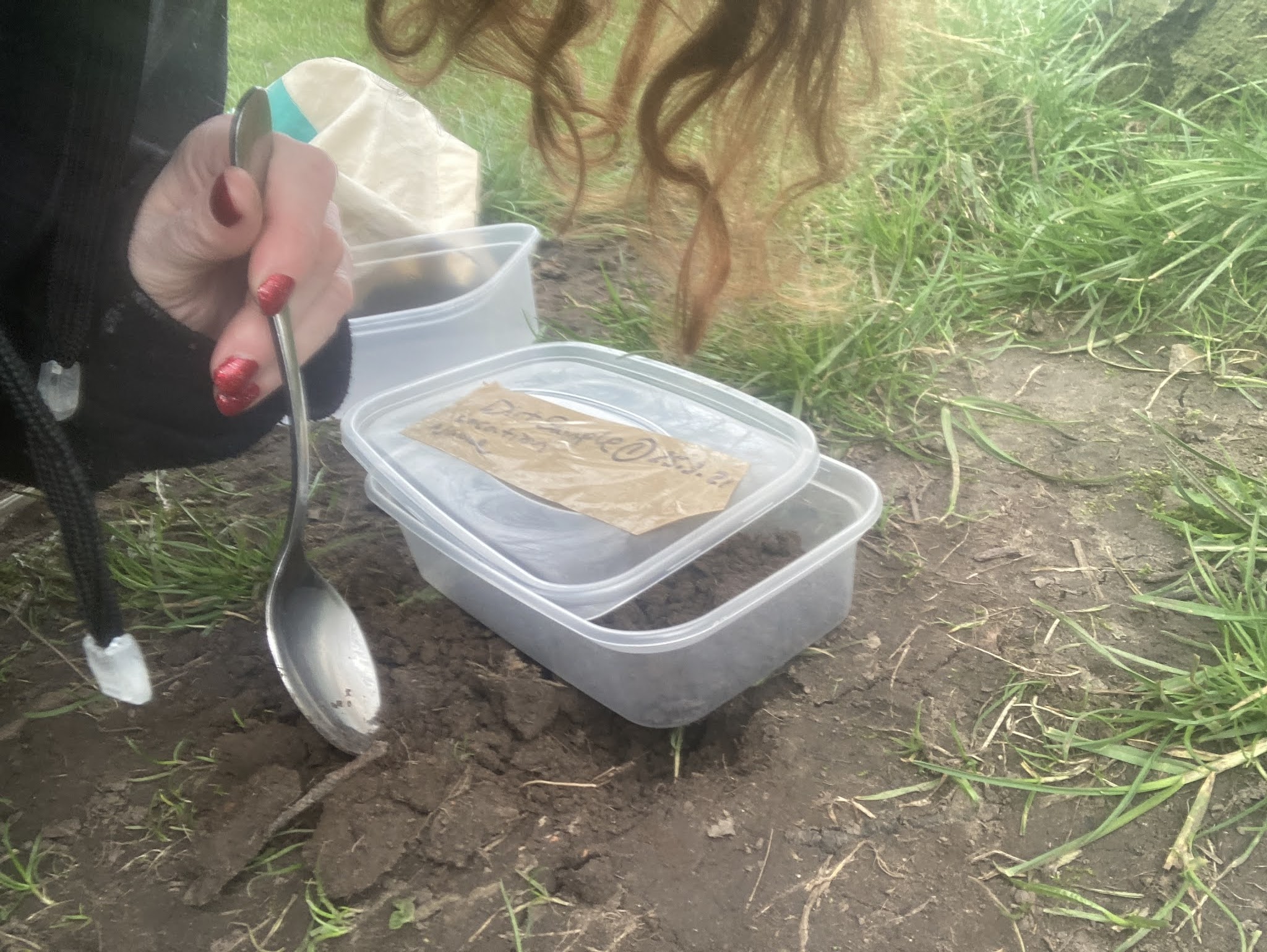
these are just the photos I took while collecting soil samples and the red ones are the ones that I'm putting together as an edit. In the same way that I'm posting photos of these activities on my blog- we want you to post your images(photos, drawings or anything else) of soil sample collecting and plate swabbing on your blog. This way I can see what you're doing with the project and leave some feedback for you.
here are some of the images I like as a basic edit bigger below. There's a LOT of photos! And that's okay. I wont want to use all these later but making art is a lot like a science project. We have some ideas and we start to experiment by collecting a lot of data, making observations and then putting that all together in some way that makes sense for our objectives. Right now we want to document part of the science experiment but also try to make some nice looking images.
Its worth considering what you want the photograph to 'say'
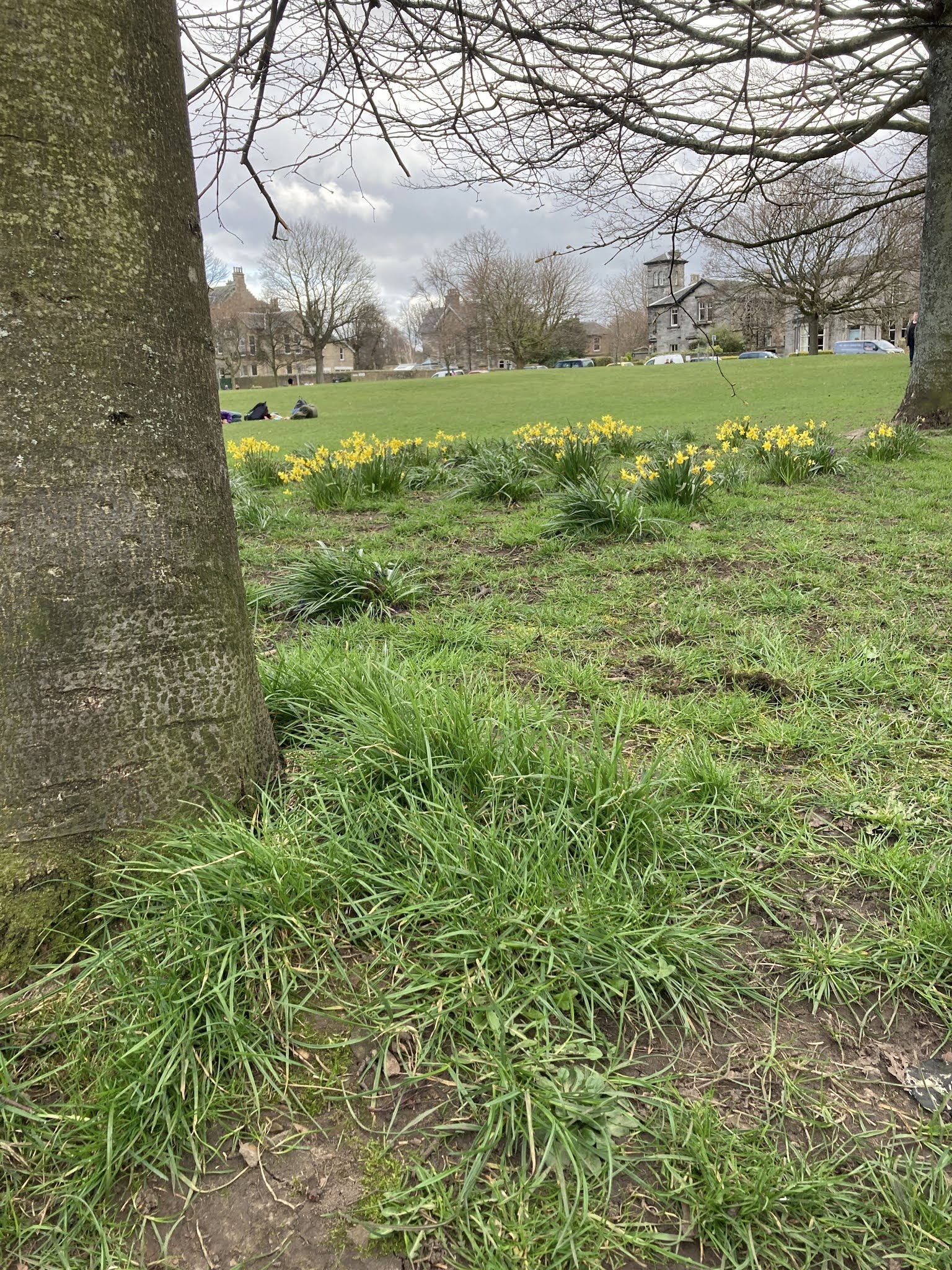
this first batch i experimented with composition thinking about the rule of thirds as well as trying to show the 'environment' and landscape i was collecting soil from:
here i made a 'behind the scenes' still life of my tools:
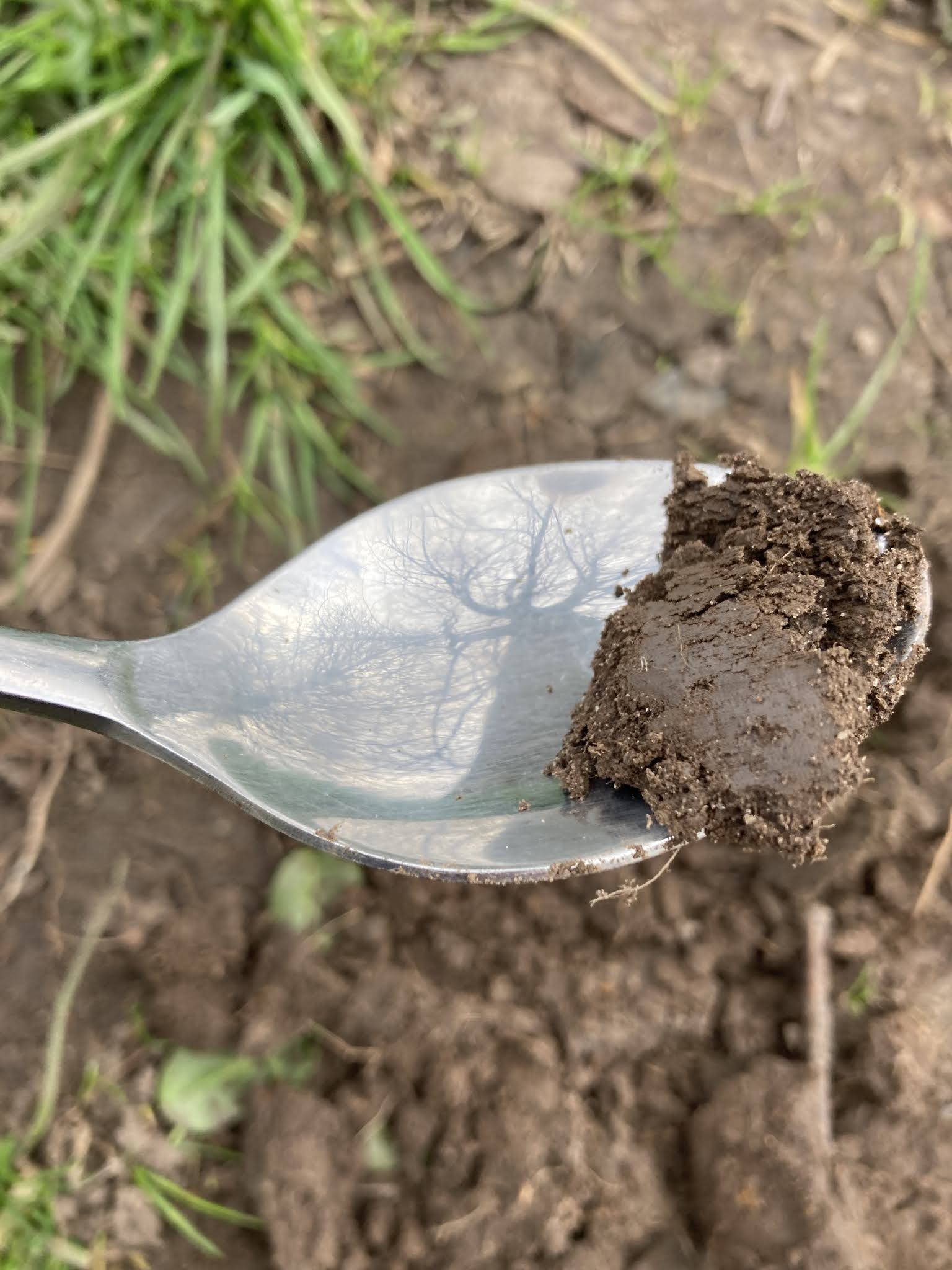
I wanted to do some up close action shots of digging up soil - I was making a video when I noticed I could see the reflection of the tree in my spoon- so then I got pretty excited and took a lot of photographs of the tree reflected in the spoon with the sample on it.
it's exciting to try different ways of looking at things- we can find new ways to describe the area around us and what impact there might be. I haven't decided on the composition and spoon/soil reflect I like best so these are the contenders. I might crop one of them to get that "rule of thirds" later. It was difficult to compose while getting the focus and reflection so i decided to make a bigger picture that I can maybe edit later,
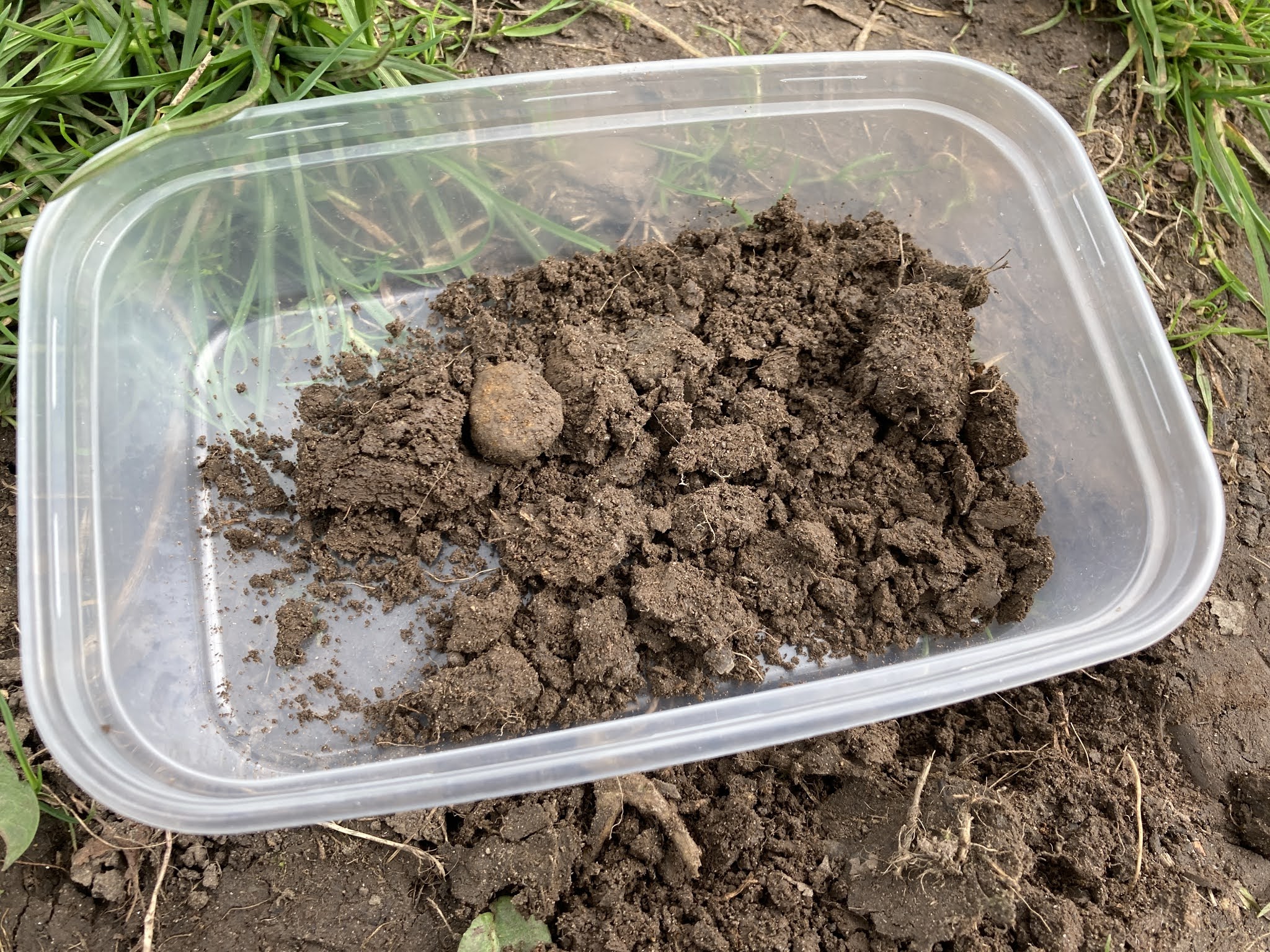
just some up close and personal photos of my samples in the carryout container.
how close can I zoom in and crop before these become abstract and something else?
soil sample in environment where taken
it fills the frame while still showing some of the environment it came from
and it's at a fun jaunty angle
action selfie. sometimes its just nice to have some documentation of what you're doing.
if no one is there to take a photo find a way to identify yourself. I used my hair.
nice close up of one of the first places i collected soil from. it shows a past tense action and other elements of the soil.
here i thought i'd just take a down on the ground photo of some of the grass nearby
there were also dandelions around so i thought i would document some of the things i saw
then i found this worm, i think its injured. I hope i didn't step on it. :( make sure when you're collecting your samples that you observe health and safety things, consider gloves or if the area you're in is safe to you first, but also try to make sure you're doing no harm to the environment. :)
i found this semi decomposing piece of plastic bag. I decided it was a part of the environment worth documenting. It's not always just nice nature bits- the bag was kind of interesting in its shape and I got an idea for doing more photography with it. I had a spare bag so I picked it up and took it with me.
In this way I will both have a positive impact on the environment by removing some plastic litter but also found something to begin a sketch of a project with. Feel free to do the same. We might be able to use it later. Again, be sure you're being safe.
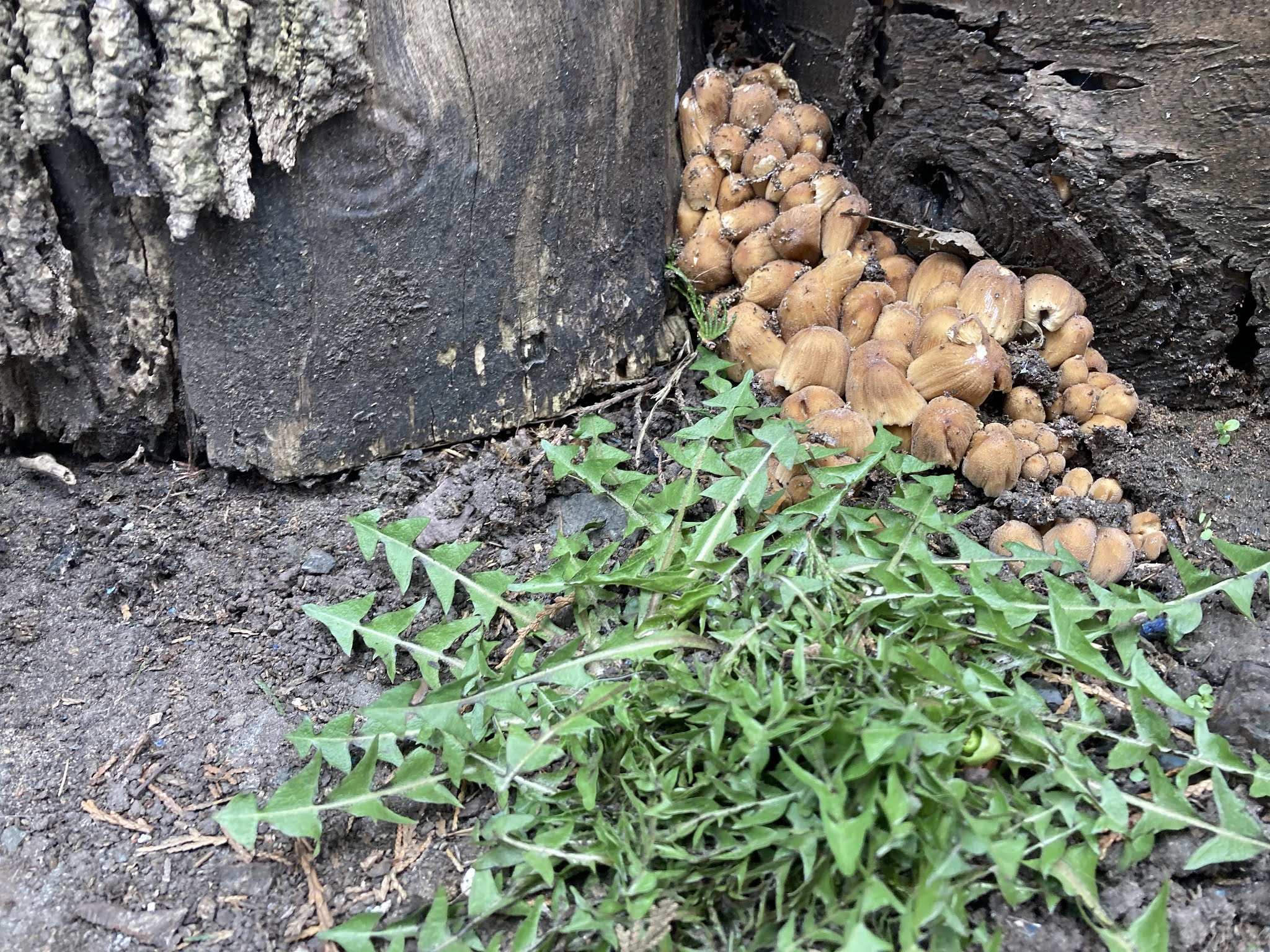
i found a second location to collect soil samples from. It's closer to the street and had a lot of different elements which i thought were initially visually interesting but also might show some differences in the soil samples. We have some logs, and ivy and iron railing and FUNGI! also a different kind of tree nearby.
environmental shots.
looking up this was the evergreen that was above me.
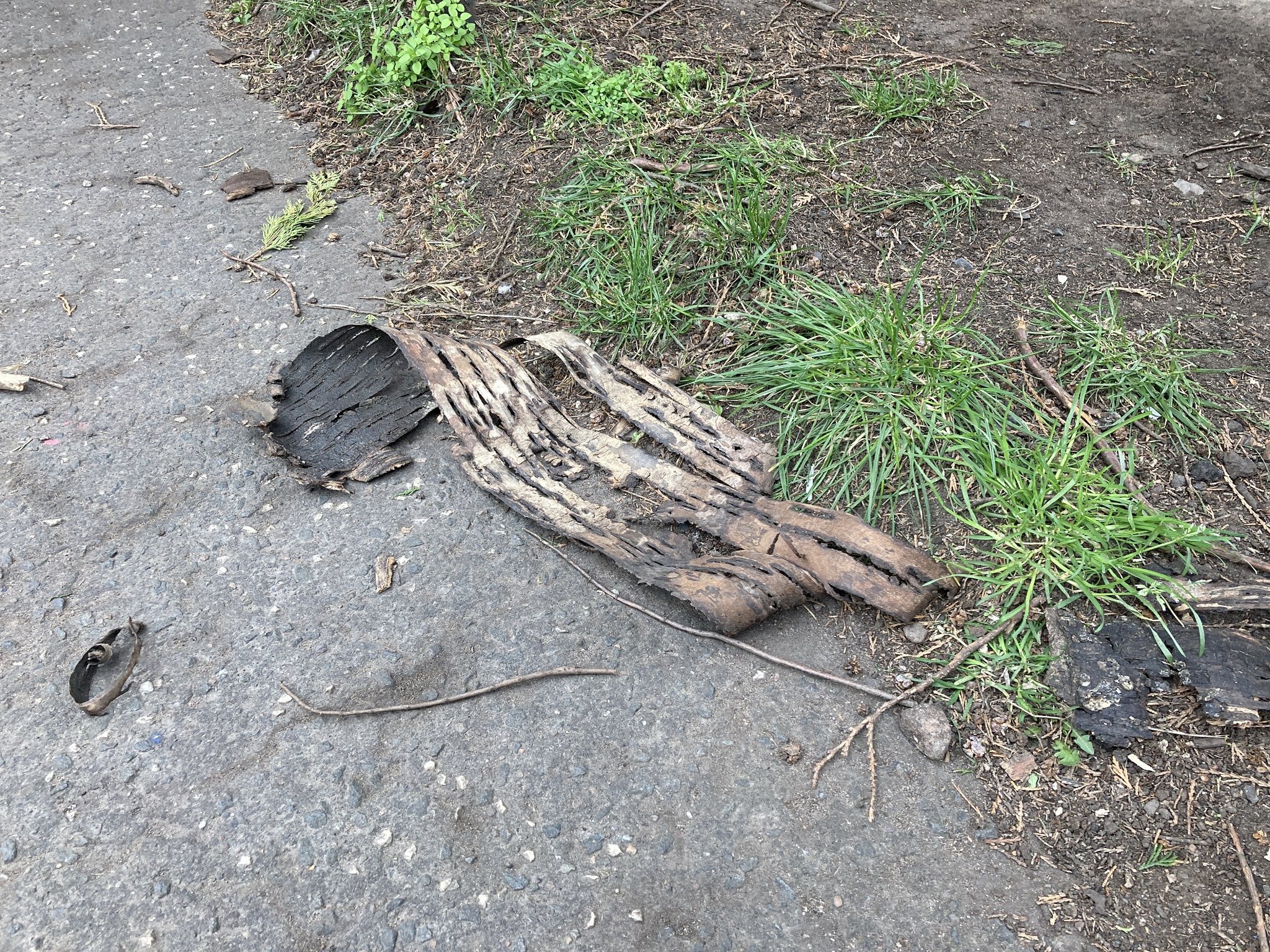
i found this great piece of bark just laying on the ground. I'm going to do some more photography 'studio style' at home. I thought its shape and texture and lines were interesting. I haven't used the rule of thirds in an obvious way here- the object of interest is centred, but there are contrasting textures and elements- the smooth blue grey pavement (man made) and the green and brown textured grass and soil. They make up triangles that divide the image in half but they end at the edges of the top and bottom pretty close to the 'thirds'
detail shot of where I dug up some soil, and i wanted to take some phtoos of the fungus- i like the colour and the texture and it looks nice with all the other elements.
another soil sample in situe
landscape and soil collection shot from second location
a close up of that bark again.
another piece of bark with a weird random broken phone cable.... i took that with me too.
i was lucky and had someone help take some photos of me 'in the moment' again documentary action. These can help when describing the process of the science learning, experiment and communicating that later- but also they're part of the art making and learning process.
i like this second one better i think....
just wanted to bring in some more of the environment - the flowers are pretty but they also subtly indicate what time of year it is. We know we usually see these flowers at the beginning of Spring - usually March or early April.
someone getting arty including a different angle and including a perspective that shows more of the tree in an interesting way.
oh loook the spoon is collecting soil which is being captured on my phone! META.
action shot of me taking images showing landscape and texture, foreground and background the leading lines and division help direct the eye to the action while clearly describing the complex environment around.
if you have another way you'd like to try and describe this activitiy, I know a lot of you said you like drawing - go ahead and do some of that too if you want! I'm not a great illustrator so i use interesting photographic techniques to describe these things differently, which we'll get into more the next time we meet. Please do take a few different kinds of photos tho- and next week when you prep the slides with the samples!